Showing posts with label Research. Show all posts

Monday, 29 October 2012

Unit 7: Narrative - Misdirection or is it?

Hello Everyone

Well I have spent the last few hours running tests for sound files on blog posts with the highly speculative topic of "Misdirection" a post some of you may have tried to click on to find it absent from the blog. Now I have either planned something entirely clever by creating a post called "Misdirection" which goes nowhere or I have something more elaborate and liken to a particular theme I wish to demonstrate to everyone...

Its option B in case you were wondering...

Now first let me explain what Misdirection is to those that do not know. It is actually a magicians tool. The Magician shows you something in one hand sparkly or captivating so that  you do not notice what he is doing with his other hand (in most cases the real trick or slight of hand).

Sergio Della Sala of "Tall Tales about the Mind and brain: Separating Fact from Fiction" observes:
"At the basis of every magic trick, for example, there is the ability of the performer in controlling the attention of the audience. This is what is usually termed "misdirection", and it consists essentially in directing the attention of the spectator towards non significant aspects of the performance, distracting it from the relevant ones..." (2007 : 36)
What this basically means in our case is we need to show our audience a character, a personality so fixating that they don't realise what is going on behind him... Something people will only notice with repeat viewings to let out that ever dignified "ahhh I get it!" For this I conducted a small experiment myself in my own home with people that I had at hand...

I did not tell them what I was doing or what they should be looking out for, I was vague, saying it was just a shape test and I wanted to know what they thought of it. I played the 10 second video once and got them to report to me what they saw... Which consisted of the primary research at the bottom of this post.


The video (shown above) was a crude rendering of 7 or so different shapes most of them the same. The camera however was not focusing on all of them... a bright red shiny blinn playing the role I envision for Charles. The grey shapes reflect objects in the environment. From showing these to my family people could not get past the red shape... why? because it sticks out... it is shiny... it is the focal point of the video. Is it because it morphs? Maybe... but for whatever reason we are inclined to pay more attention to the most visually stimulating object on screen...

This means that our background and props are in fact the relevant aspects of the performance . Charles even though he is shiny and pretty is not... Please watch the video yourselves and post feedback, tell me what you saw... who knows maybe you will notice something they didn't ;) But most importantly be honest here... you guys should be at an advantage if you have read this post... My family came in knowing nothing, as any unsuspecting audience should.

This fills me with comfort knowing that the ordinary person will not notice this the first time round, having to go back a second time to notice it which have been the exact conversations we have been in with Alan these past few weeks...

Primary Research - Misdirection


Subject 1 - Late 30s - Female

Before


After


Subject 2 - Early Teens - Female

Before

After


Subject 3 - Mid to Late 60s - Female

Before

After


Subject 4 - Early 40s - Male

Before

After


Subject 5 - Late 60s - Female

Before

After


Well I think that concludes this little post which has been a nightmare in the making I don't mind saying. Whod have thought sound files would be such a nightmare to embed. Please take a run at the video and see if you notice anything about it the first watch. You will probably get it after subsequent watches but try and go in with an empty mind... You will be surprised what you may find out...

BTW. The research tapes have had talk of the Misdirection stripped from them so you are gonna have to figure this out yourselves :P

Tah tah!!

xXStItChXx

Unit 7: Narrative - Shape Tests - Transition

Hello Everyone,

I spent all of Friday messing around with these transition tests just to find a way for them to work subtly on screen. There are probably more then this but to be honest I couldn't find any by searching terms "Object Merge" - etc. The one thing that was called up often was Blend Shape, it being suggested by Alan earlier in the week was the clincher so I decided to give it a punt... of course its not without its own problems.

 
I began testing briefly a few weeks earlier trying some post magic with object transition between a tea pot and a train. These were static 2D images that were to merge into each other. It was effective but again I couldn't see it working in 3D space without deforming or being inexplicably obvious. After this I put the attempt on stand still for a few weeks just thinking object switching would be the ideal way to go (i.e. an object is there, it leaves the shot when we see it again its something else.
 

Next came the post CC image test again done in AE much like the Image Wipe above. This just simply has a transition from one scene to another. Again not overly complicated but again I thought it was something I would notice. I mean an object being there and then it disappears only to reappear without a cut I would have thought it to be obvious unless delayed for a long duration so it subtly vanishes into nothingness...


Next the post Card wipe, I wasn't expecting much from this especially after the CC image which didn't exactly impress me much. However, I thought this looked pretty cool as you can adjust it to move parts at specific times. I may have been more impressed with the effect then its actual use in our short but never the less it could kind of work I guess... Still I think the blend shape option will probably be the best avenue for our transitions.


 Next CC Light wipe, to put it simply no way... too bright and just blatantly obvious the reason I put it up on here is it could work for the wish flower particularly. If we wanted to make it disappear or something... again just a suggestion but I thought I would post this up just to show I had looked into it. The majority of transitions in AE are simplistic if you want the more complicated ones you have to pay, and to be honest I tried demoing some and couldn't work them out... no tutorials.
  

Last but not least the Blend shape... the method Alan suggested to us and apparently there is something deep down that allows transition with materials meaning we can convert textures with this. Of course that is being dealt with by Lydia I did this test purely for my piece of mind. I will take this opportunity to mention something weird is going on with youtube and it has loaded about half of the video I made. This flat shape actually converted to 3 different shapes not 2 but never the less... I will also say the draw back with this blend shape method is the models need to have the same number of points and be converted into something else... so BEAR THAT IN MIND!

Well that concludes this little post, I kept this to basics using primitives I think working the transition in Production is the key lesson I have learnt here. Post production I just don't feel will do it subtle enough... in AE its all or nothing we couldn't do partials or serious delays. At least in Maya we can move objects around and alter them behind Charles when we move from point A to point B or impose a cut.

Take it easy people!
xXStItChXx

Friday, 12 October 2012

Unit 7: Narrative - Week 3 Tutorial

On Thursday, we had a group meeting with our tutor, Alan, in which some of the following points were raised:
  • "Reduction is the way to go". Consider less camera movements and less cutting. If there are cuts, there should be a reason for them.
  • We were worried that transitions in the background would be too obvious e.g. a tree transforming into a metal pipe. However, Alan suggested watching the video below to emphasise the point that if the viewer is distracted in the foreground, changes can be made without being noticed.
                               
  • How much is the boy, Charles, going to move? Is he going to be static? Running around?
  • Could the boy be walking with objects changing around him? This is a similar idea to a scene from Fight Club (1999).
          

Saturday, 6 October 2012

Unit 7: Narrative - Version 2 Script - Ashen Bloom & Graph

Hello Everyone,

Coming in with an update which was meant to be up yesterday but suffice to say I had power issues lights kept going on and off with our power so I didn't want to chance getting cut out mid way. Anyway this week there has been a little bit of soul searching but not as much as I thought. We have the basic story down and I have placed a name on it which I think really works.

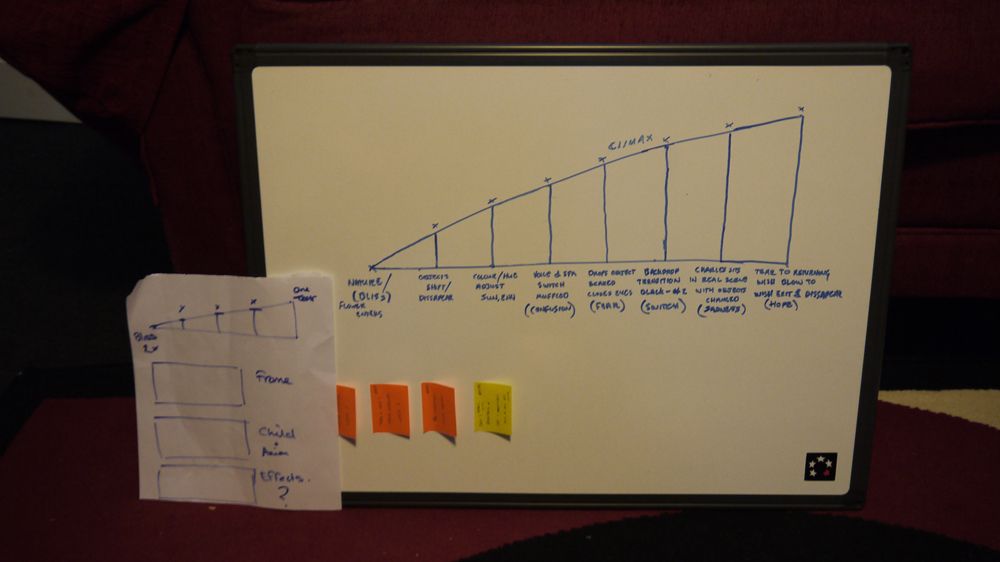
I have yet to run it by the girls but it has significant underpinnings which I really think work with our particular story... I haven't put it together based on nothing. Anyway after speaking with Alan on Thursday I decided to revisit the Script one last time and add some of the girls changes in also. I then got to asking myself about the trajectory of the story which Alan explained to us through a Grid... well I made one (see below)...

 
For those of you that cannot see the words on the image I projected the following transition throughout our entire sequence...
 
1. Nature/Flower Enters (Bliss)
2. Objects Shift/Disappear
3. Colour/Hue Adjust Sun/Env
4. Voice & SFX Switch Muffled (Confusion)
5. Drops Object Scared Closes Eyes (Fear)
6. Backdrop Transition Black - #2 (Switch)
7. Charles Sits In Real Scene With Objects Changed (Sadness)
8. Tear To Returning Wish Blow to Wish Exit & Disappear (Hope)
 
The script itself is sitting below here well the version 2.0 of it is anyway. I'm hoping that this is the final draft of the script but we will have to see. Well I had better get on with other things but I hope this script is more along the lines of what everyone was thinking at the meet yesterday.
 
I figure any other issues with the camera work etc of the script will be something we decide when we have the scene fully functional. Its kind of difficult to imagine every single second of this animation and how it will work that's why this Script or Script Final is to be considered a blue print to keep us on track nothing more... Not a definitive work.
 
Take it easy people!
 
xXStItChXx
Ashen Bloom Script V2

Thursday, 4 October 2012

Unit 7: Narrative - Week 2 Tutorial

For our second tutorial, we were prepared with a draft script (very close to being finalised) therefore, were able to spend time talking about the visual aspect of our animation. The points covered:

  • The animation starts with a happy, content boy. His lowest point is conveyed through a single tear. This change in emotion is only subtle therefore, we have to work on how we're going to  convey such minor changes and the appropriate times to show them. We chose to use a single tear rather than crying, as children would have be used to such situations and therefore, would be more accustomed to dealing with such emotions. There is less emotion however, this should hopefully make the viewer empathise more with the boy.
  • A toy could be used in the garden scene which in reality is part of the machine in the factory. The toy represents innocence and emphasises what childhood should be like.
  • How will the transition between the garden and factory work? Steam? Wind? The sun overburdens the scene? Morphing? Objects could slowing begin to change before the main transition. These changes would need to be so subtle that they are barely noticeable. Another idea is that the boy could look down when he drops the piece of metal, and when he looks back up, he is no longer in the garden, but in the factory which is in fact reality. 
  • If objects do begin to change before the main transition, we should consider the same effect created by the candle with 2 faces, as seen below. The viewer cannot see the candle and faces at the same time. The brain can only register one at a time. This effect can be used in the transition. Is the viewer seeing the garden or factory?

  • Other gradual changes in environment involve colour. The animation could start bright and become more dull. Also, the copper colours that are intended to be used in the factory could begin to be introduced in the garden scene. The viewer would be unaware of the true meaning of the colour introduction until the reality is revealed.
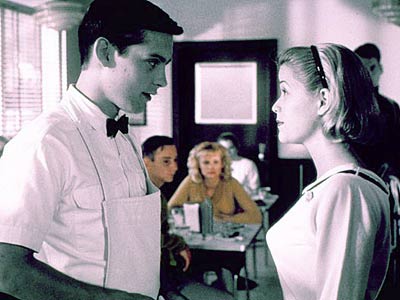
  • Render the garden and factory scenes twice, each with different lighting or in a different colour therefore, we can begin to experiment with masking areas. Examples of a similar technique can be found in Pleasantville (1998). The two images below show examples of colour introduced in a black and white environment. Throughout the film, the colour introduction is so subtle that the viewer begins to question whether it is part of the imagination of if there is a change of colour. This could tie in well with our animation.


Other references:

  • Chernokids (2010) could be useful when designing the factory and is an example of transition used in film.


  • War Horse (2011) for reference regarding colour used in scenes

To do over the next week:
  • Test types of transitions and find which is the most appropriate
  • Finalise script
  • Storyboard
  • Concept art and turnarounds
  • Animatic

Monday, 1 October 2012

Unit 7: Narrative - Max Payne Transition & Narrative Step Rundown V1

Hello All,

I have been working on getting this post sorted as there are a few things that have been on my mind specifically circling our primary idea (or what has now become our primary idea). Originally I was worried for the contrast but I have seen a rather good example of transition done right.

Now before you judge the style choices of Max Payne I only ask that you do not look at this video for style. We are looking for smooth transitions from one digital setting to another (as our child drifts out of his fantasy and back into reality).


The video I have included for Max Payne does a flawless job of transitioning between settings complementing each change of scenery with an action that folds between the two (i.e. my personal favourite when he kneels to lay roses on a grave and then rises pulling a picture from the carpeted floor in his hotel room. Please ladies if you haven't seen this video please watch it because I think its a very good way to go.

With that being said lets get down to the other reason why you are looking at this post. I have created an initial draft of the narrative steps to developing our final story idea. This was the document provided by Alan I think of it as a Step Rundown document. I have answered a few of the questions but some are still to be discussed hence why it is Version 1.0. I will get working on V1.0 of the script tomorrow also.

Please give me your opinions.
Narrative Step Rundown Draft V1
Initial drafts will be knocked up by myself and given to my partners in crime Lydia and Anita for them to adjust to their will or discuss with me if there are any complete redo complications. I'm just happy to be circling around a final idea, we can finally get cracking. Well lets hope tomorrow is as eventful!

Take it easy people!
xXStItChXx

19th Century Research

Sunday, 30 September 2012

Unit 7: Narrative - Visual Research/Imagine FX Magazine

Hello Everyone,

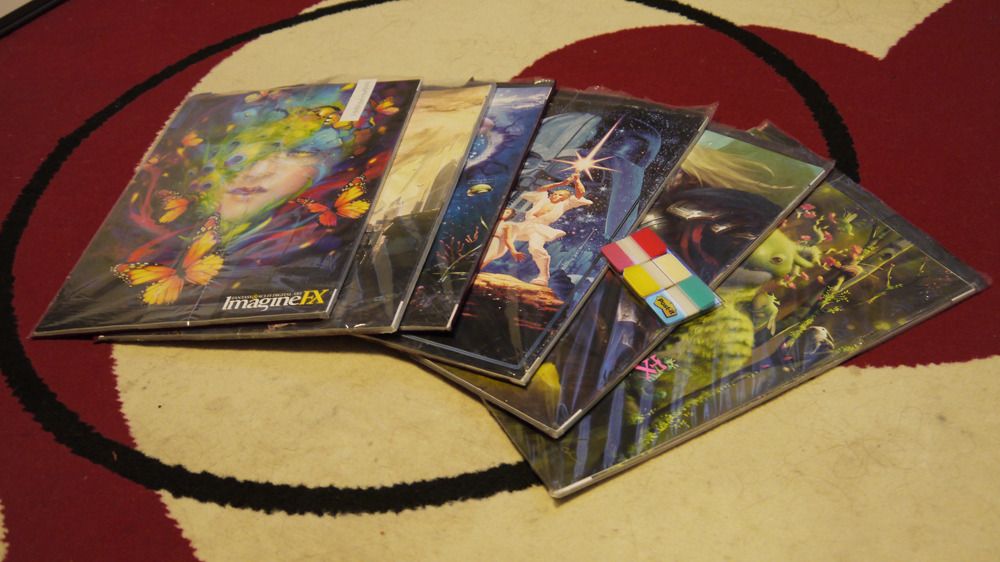
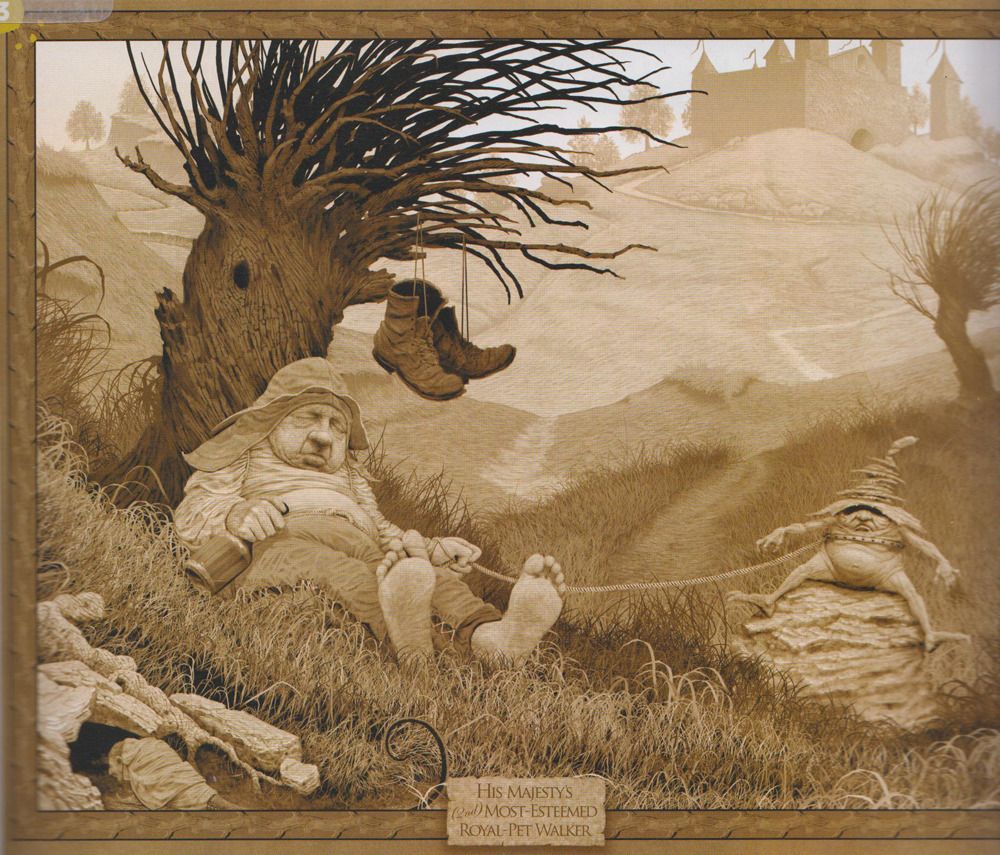
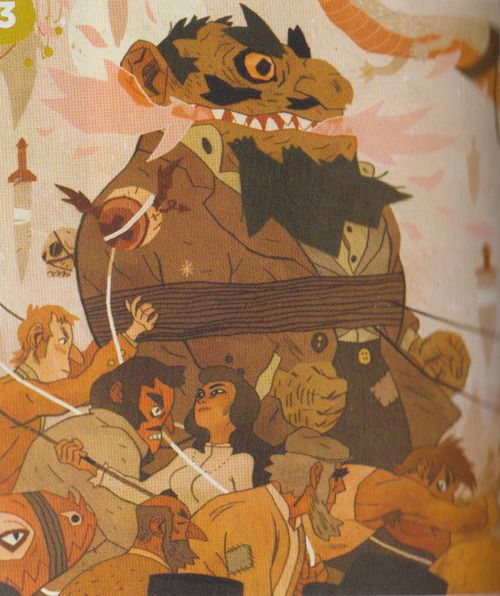
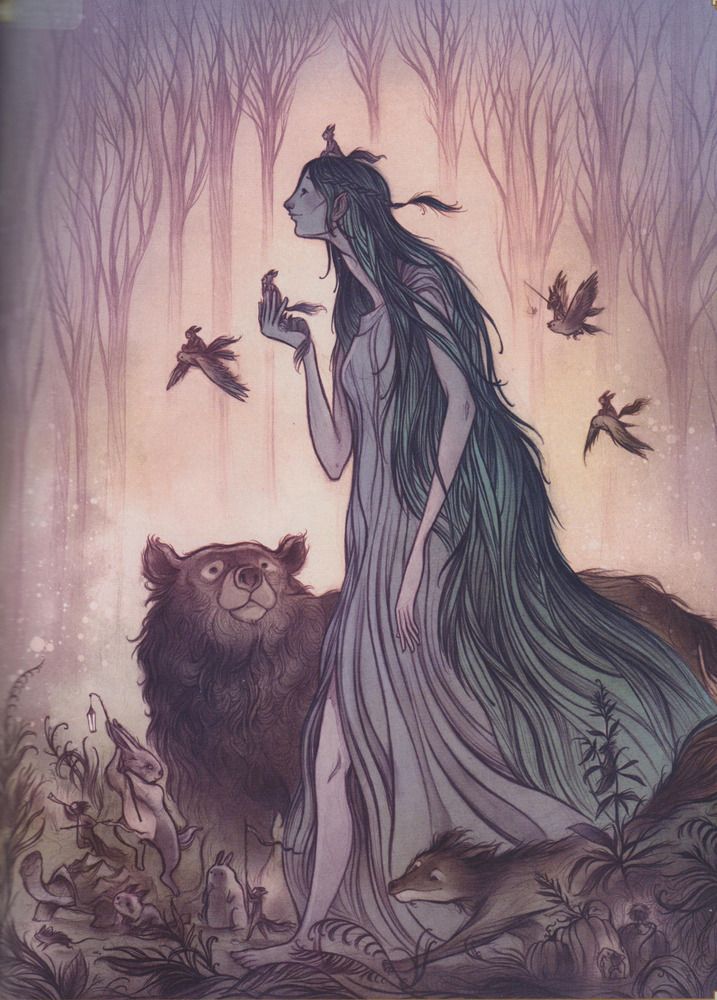
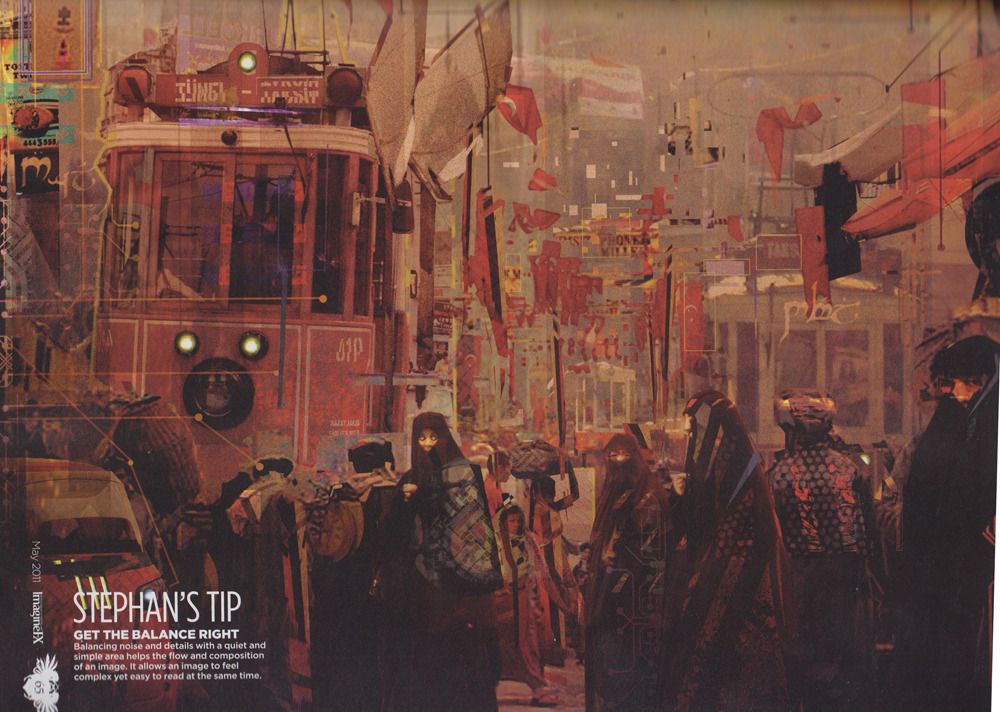
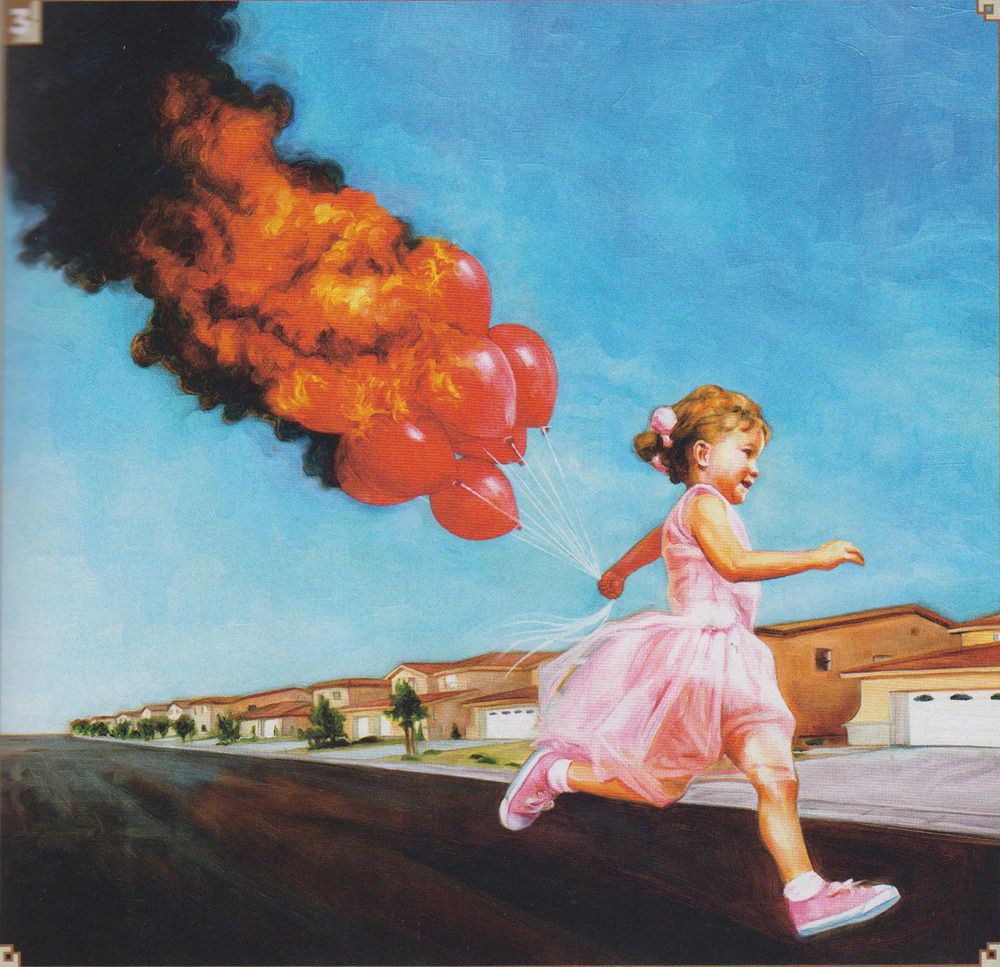
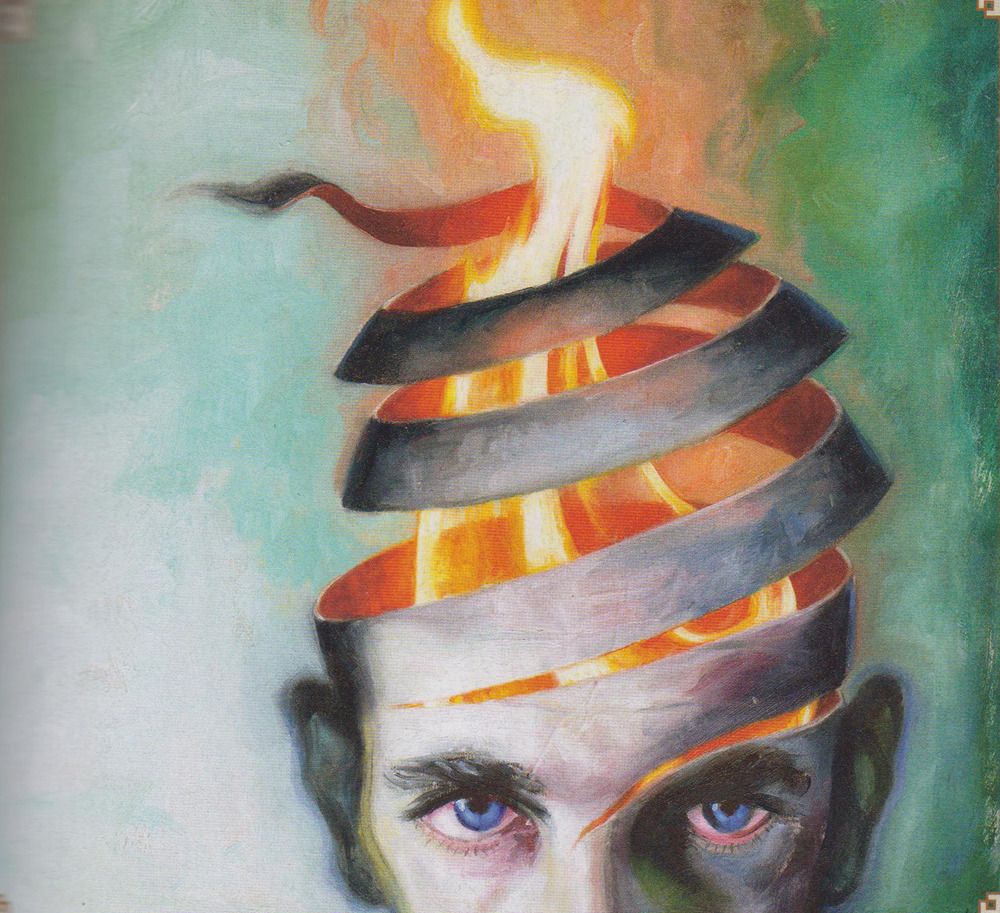
Got another little update it almost slipped my mind. Last week I brought in what I refer to as "the brown box" for my colleagues to have a look at. Basically it contained numerous issues of a magazine that I am subscribed to. "Imagine FX" is a magazine for creative individuals and showcases many talents concept art across the world. Lydia and Anita started going through a few of these magazines.


The girls got through 6 issues of the magazine (shown above) taking roughly a single image from each that summed up their visual ideas. I thought this method would be unique as opposed to just googling concept art, this way we get some influences from an untapped source. Its the same thing that I do in my written research, why limit your resources to the Internet when books are about?

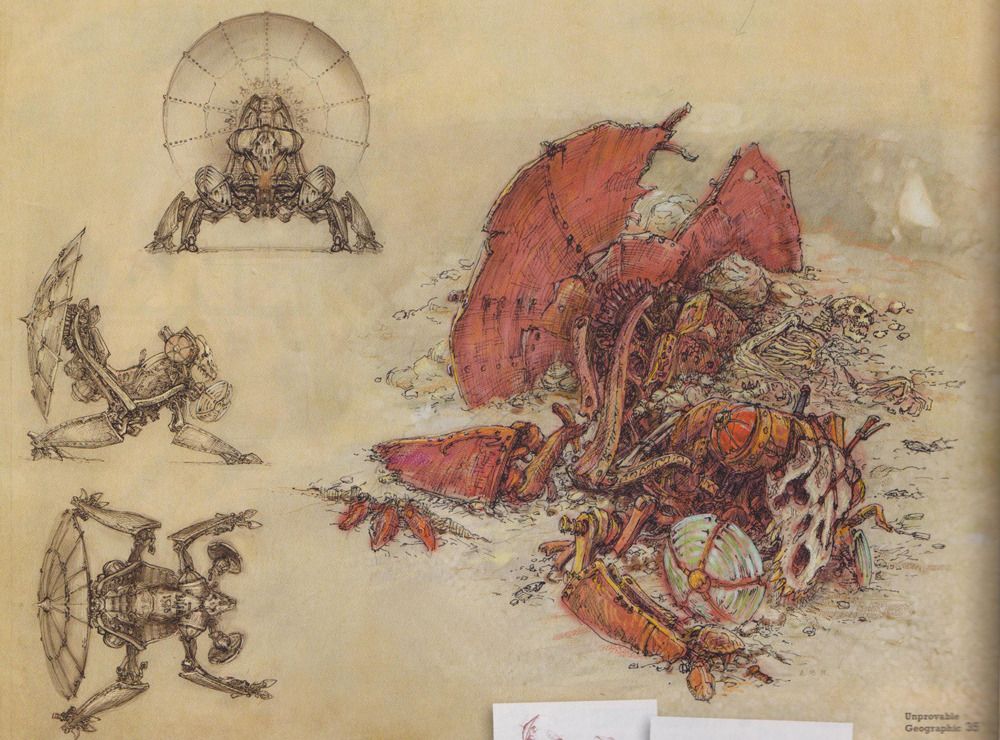
Anyway below is the concept art that they picked for inspiration.


Well that concludes this little update, my personal favourite is the 6th one down comprising mainly of rough gesture strokes with a pen tablet brush. Once again elaborating on the painterly feel I'd personally love to see in our concept art. I will look into this style more tomorrow for when I get cracking on our character art.

To the girls I'd just like to say sorry that these were not put up sooner but at least they are there now. Please let me know if you would like to see any more of the magazines I have at mine same deal for books... :)

Well catcha later people!

xXStItChXx

Unit 7: Narrative - Industrial Revolution Visual Influence

Hello All,

I have been thinking about what I would look at for visual influence to our setting. It feels as though Lydia and Anita have covered the visual style which I personally hoped to become more painterly, leading everything with expression. For me the artwork of Guild wars 2 says painterly in so many words. To save making another map I thought I would provide a link below so you can check it out for yourselves.

Guild Wars 2 - Art Style:

https://www.google.co.uk/search?hl=en&q=guild+wars+2+concept+art&bav=on.2,or.r_gc.r_pw.r_qf.&biw=1920&bih=893&wrapid=tlif134905094148010&um=1&ie=UTF-8&tbm=isch&source=og&sa=N&tab=wi&ei=TuJoUIyJJKb80QW7_IC4Bg

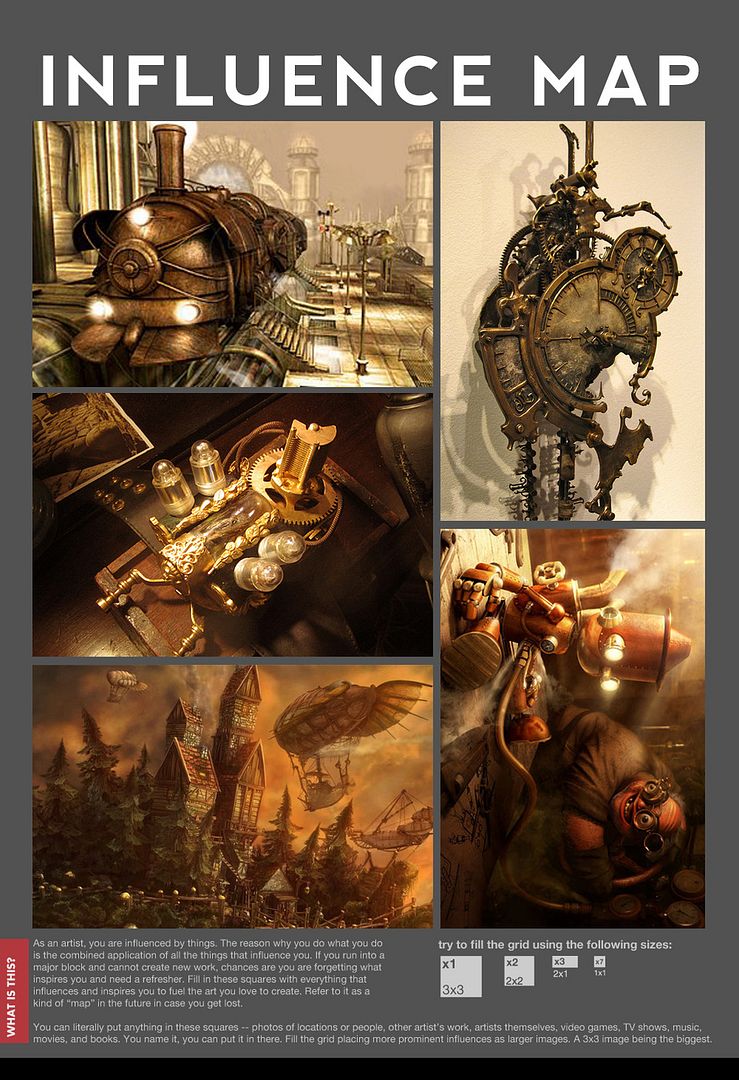
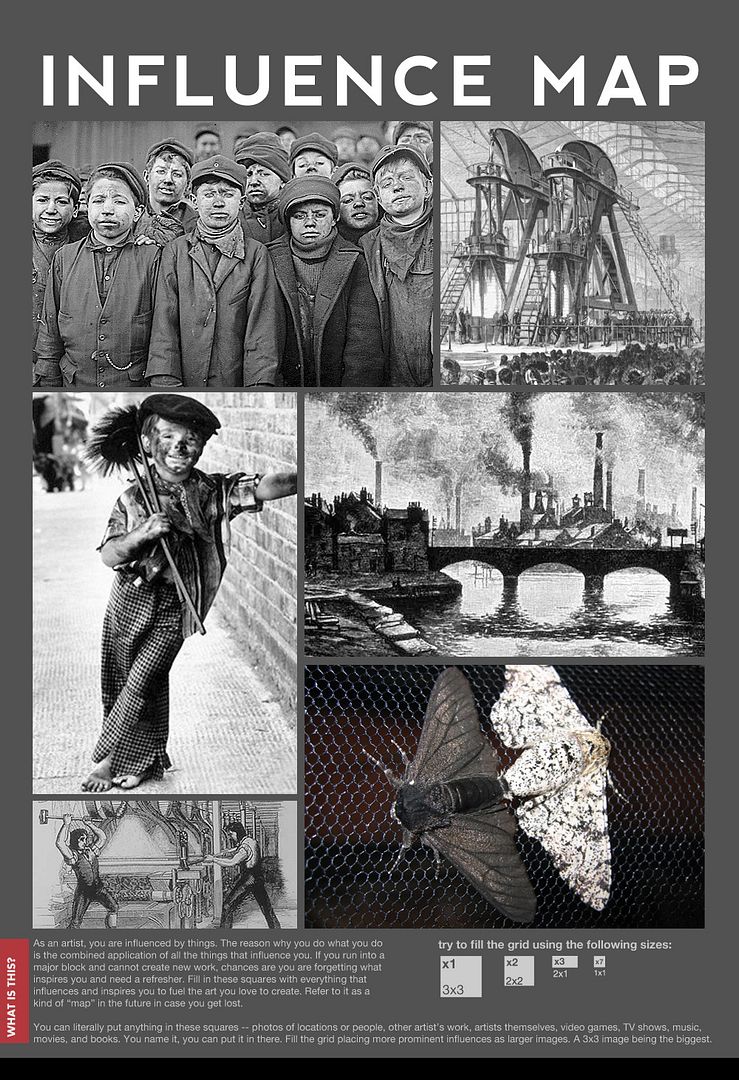
I wanted the 2 influence maps I do have to become the focus above any visual style or tweak, as far as that is concerned I know we all have different ideas about visual styles but the theme is where we need to be together and agreeing or most of if not everything.


My first influence map (shown above) I created not only to capture industrial objects but was mainly to communicate the colour palette. Most of the images I have seen based in the Industrial Revolution are either grey or a muted copper. Any concept piece embracing the era tends to adopt the copper palette as seen above. I explained this in so many words to Lydia the other day but I wanted to be more descriptive.


The second influence map shows my current thinking towards a Narrative theme I am kind of caught between pollution and Child Labour although I'm quite sure we have a clear idea of our direction for the child labour route of animation. This map is purely me thinking out loud and will aid me when I am considering the characters for our little feature epic. The machinery and the Luddites remain a second thought as I will not be personally involved in the set (I hope).

Well I think that concludes my thoughts on the visual matter and research for the time being, I may create a third map when we have a style nailed down (for characters sake) but for the time being I think we are in a pretty decent place to get deeper into these ideas... Cant wait for tomorrow :)

Anyway I will catch you all later,
Hope you are enjoying the posts so far :)

xXStItChXx

Unit 7: Narrative - Industrial Revolution Research Themes

Hello Everyone,

Just thought I would drop by and lower in my two cents this weekend. I know we have a research document on display already but I thought it would be handy for us to do our individual searching to find common ground on what exactly it is that we find to be the most accessible subject on the Industrial Revolution.

We are all leaning quite strongly into the Child Labour angle but having done this additional gathering I have found a few other quite unique topics that may be worth a second look. My particular favourite is the Pollution angle where I found interesting research on moths changing colour to adapt to the colour variance caused by the Industrial Revolution.

Our initial chats with Alan last week allowed us to explore our Child Labour angle further, and while I did like the idea of Illusion backdrops created by our lost protagonist I was a little confused as to how we would get it to work.

Anyway my research document is below in case anybody wants to check out my thoughts and findings.

The Industrial Revolution Research Themes
Take it easy people!

xXStItChXx

Friday, 28 September 2012

Unit 7: Narrative - Influences

Now we're started developing a story (a draft script to be posted very soon), I thought I would start to research styles and images that could be useful as reference. The first influence map includes photos/drawings of factories and machinery. The second influence map includes 19th century artwork. This could be handy in terms of linking styles that were popular at the time to our animation. Lastly, I researched contemporary art inspired by the Industrial Revolution.


Factory Influence Map


Example of paintings from the 19th Century


Examples of Industrial Revolution inspired art

Unit 7: Narrative - Industrial Revolution Research

Basic research on The Industrial Revolution:

Wednesday, 26 September 2012

Unit 7: Narrative - Initial Visual Influence

For the Narrative Project, we have been given an Era to focus on, ours being the Industrial Revolution (our time period: 1800-1900). While researching about the events that define the era, we began to research styles that could help in triggering ideas. While flicking through a number of art magazines, there were a variety of styles that stood out. I was drawn to the work of Sam Bosma (http://www.sbosma.com/). His work has continued to stick in my mind, so I thought it would be useful to document some examples in the form of an influence map. The illustrative style and muted colours could work well, in terms of fitting in with the period.